


Major capacities commissioned and a range of new energy facilities launched in Uzbekistan
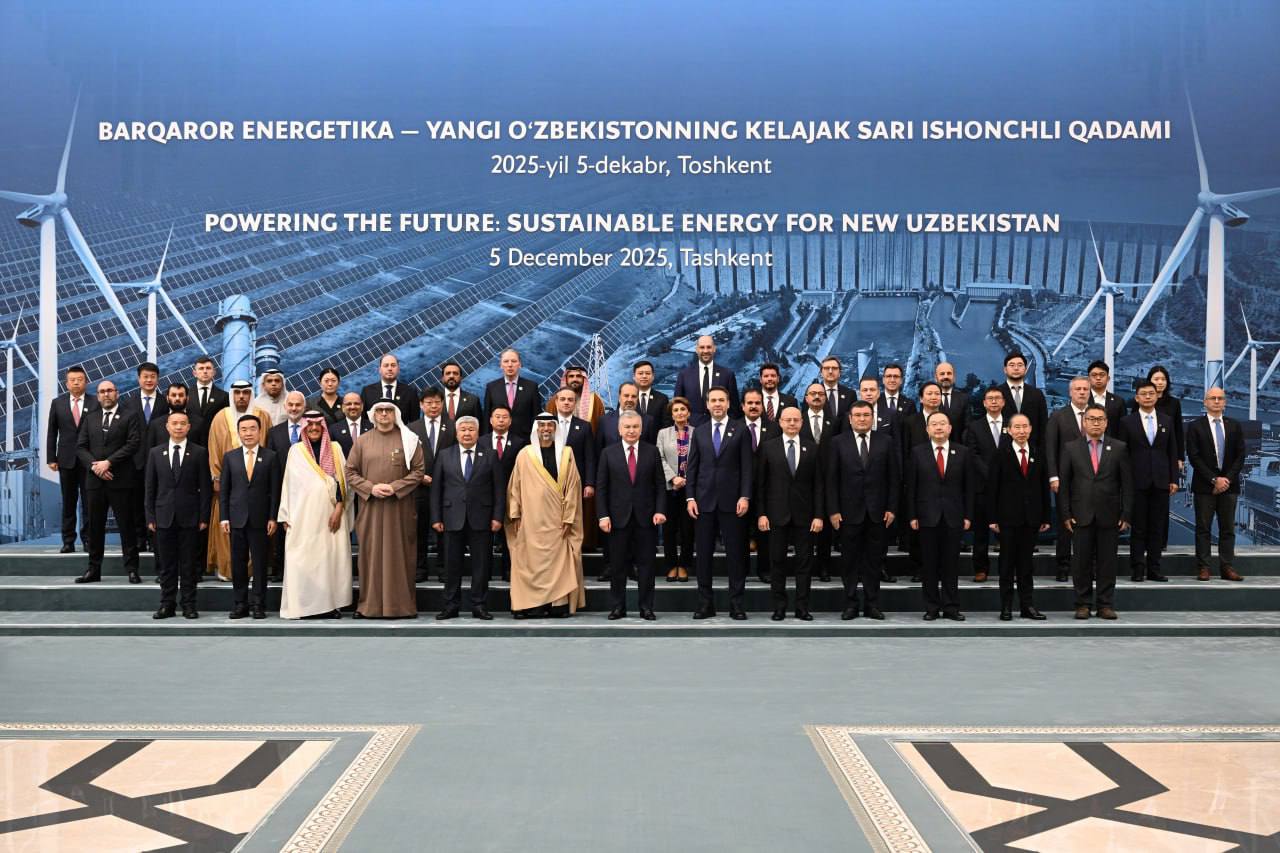
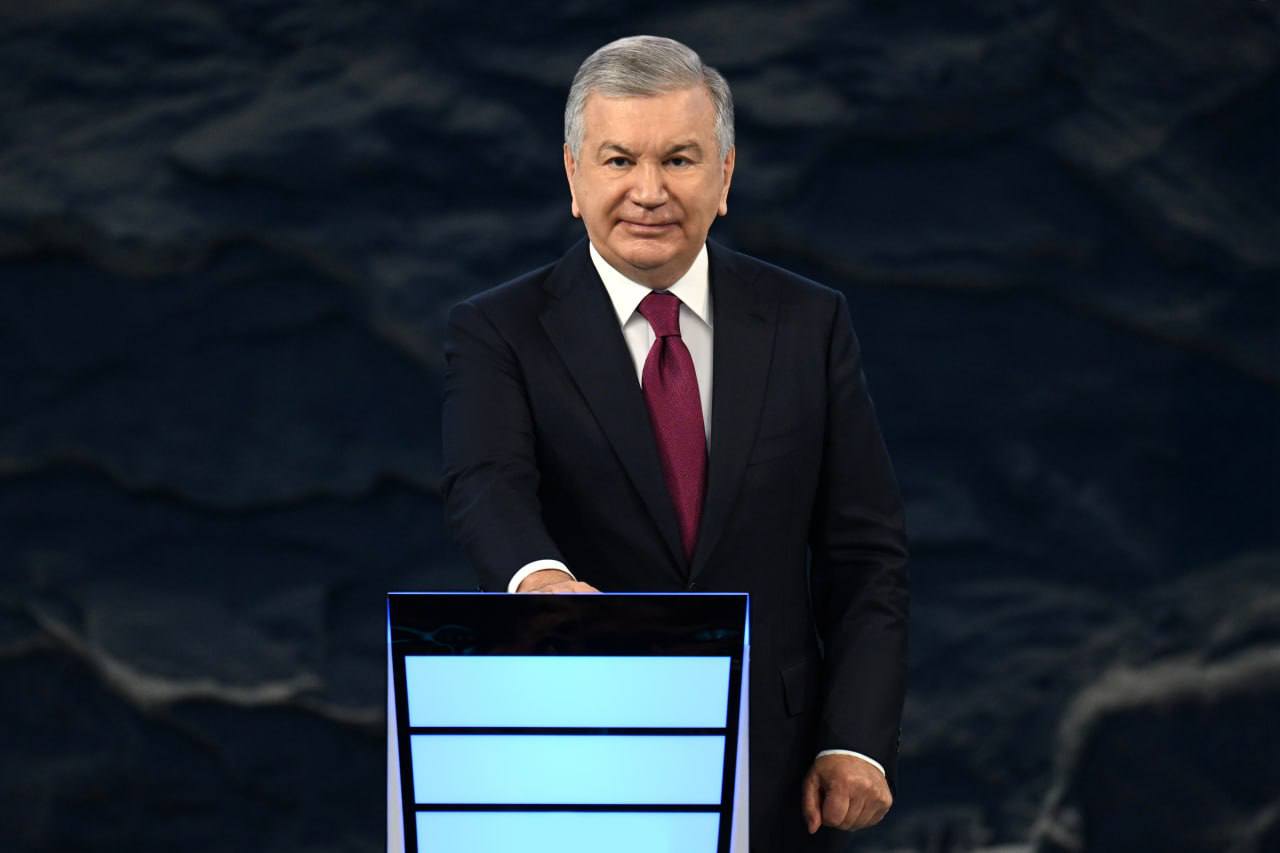
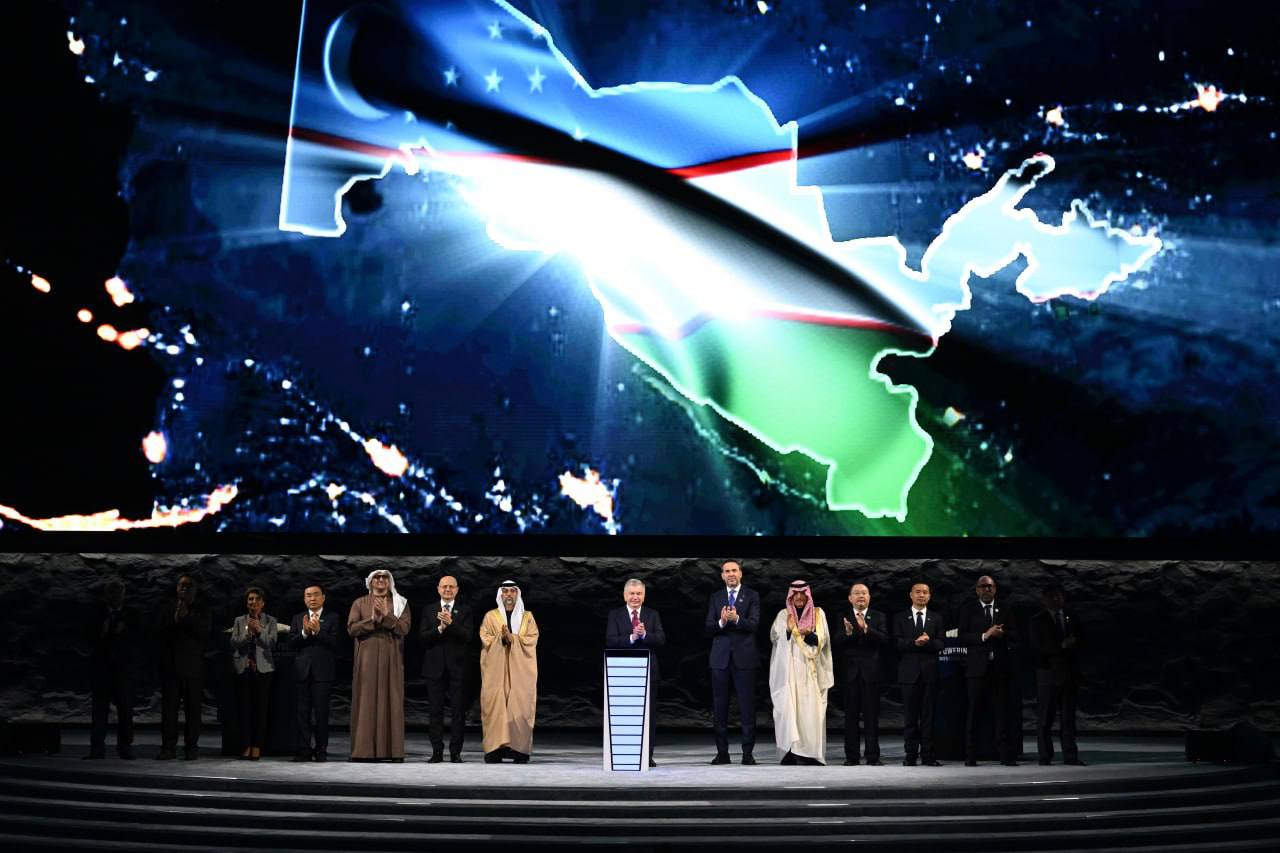
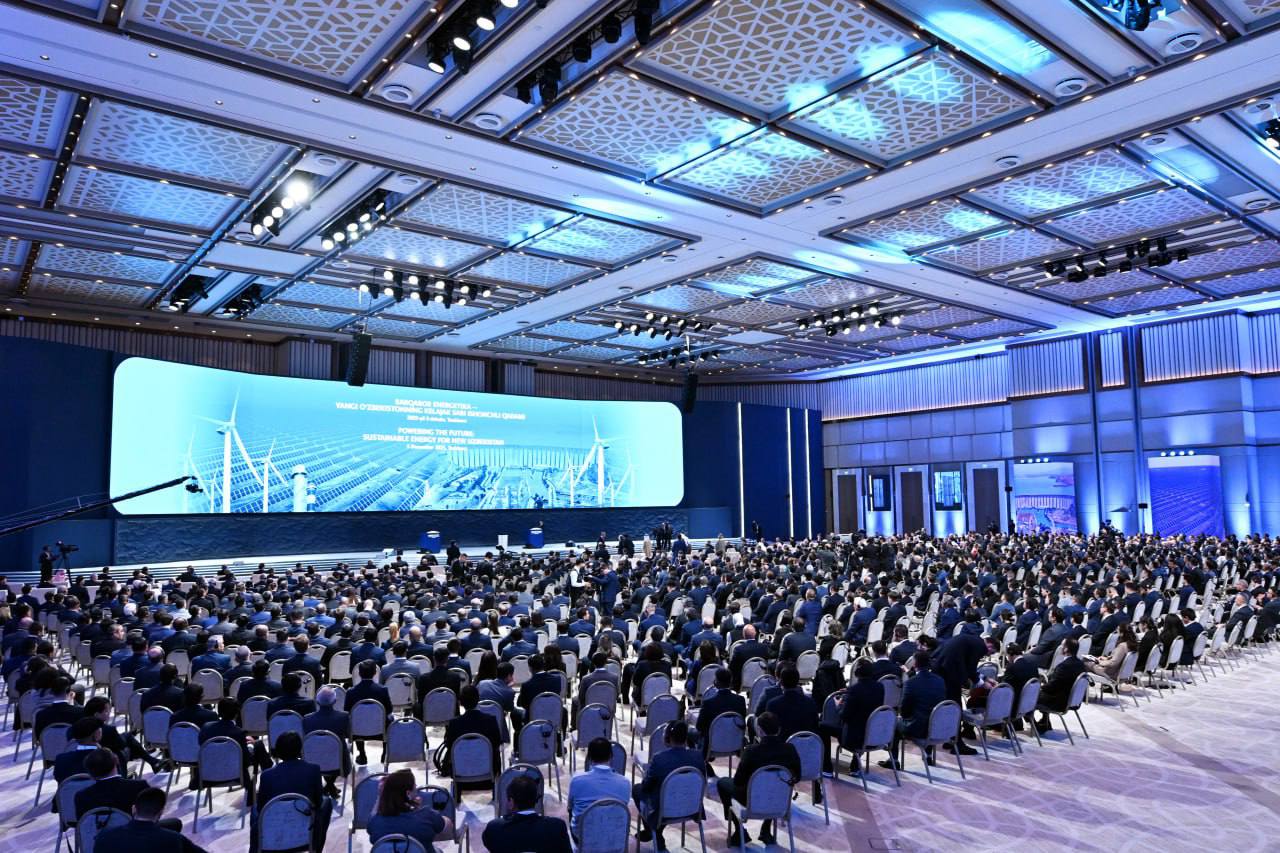
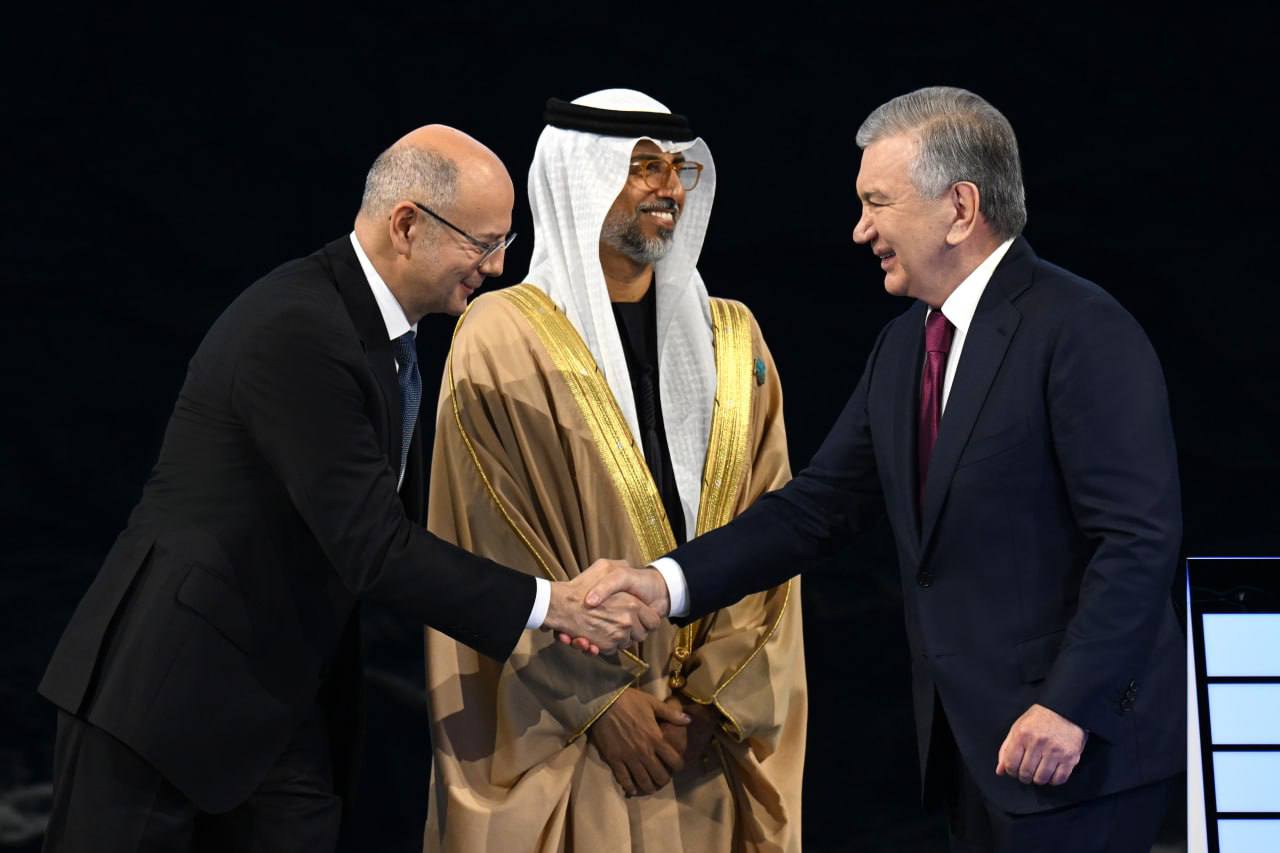
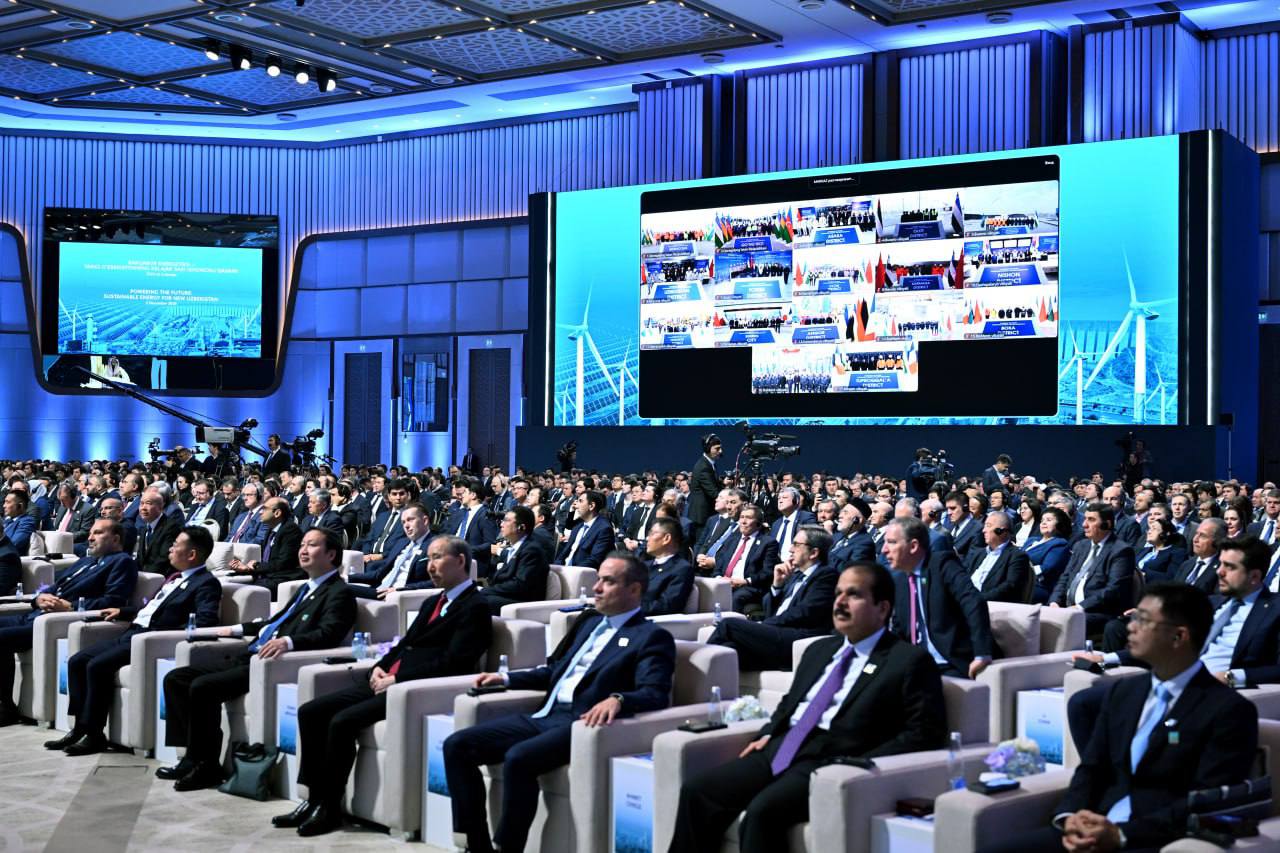
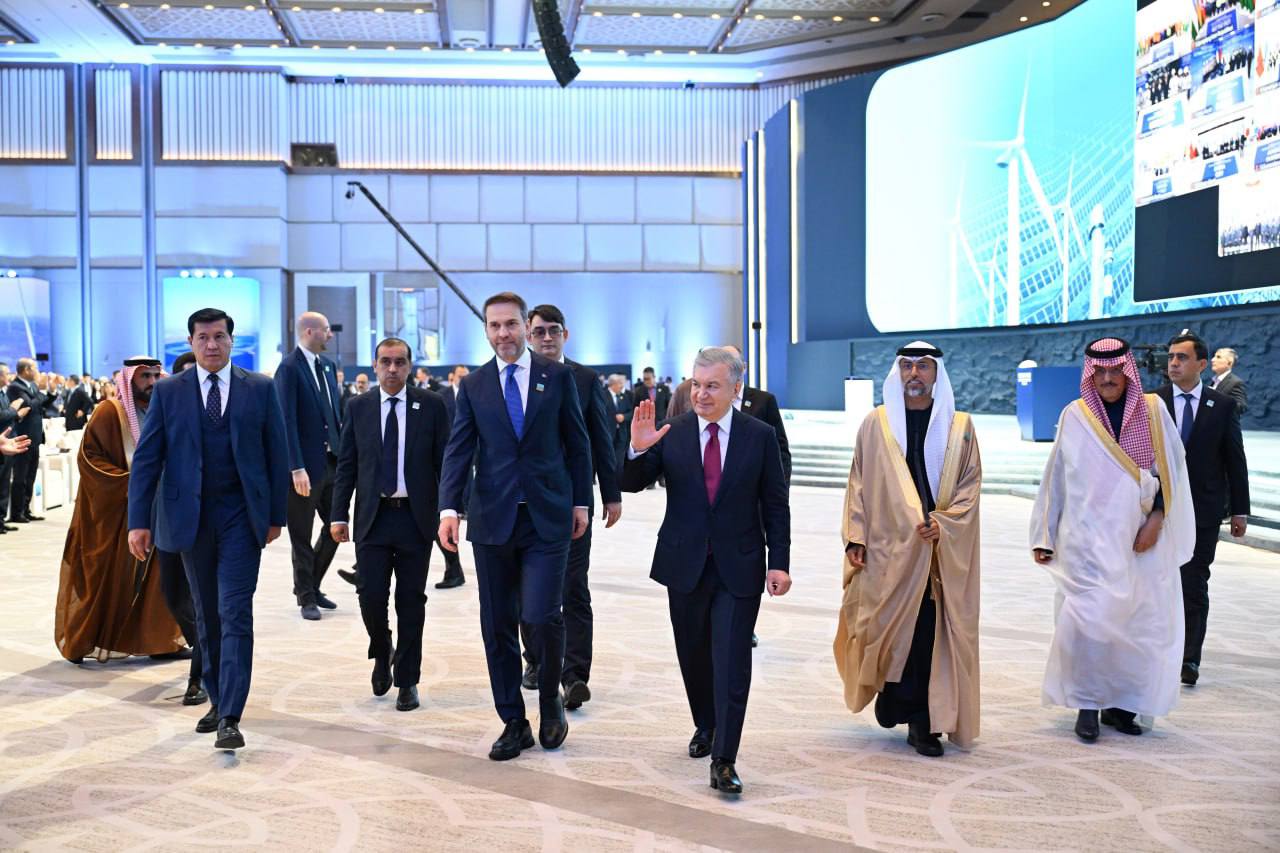
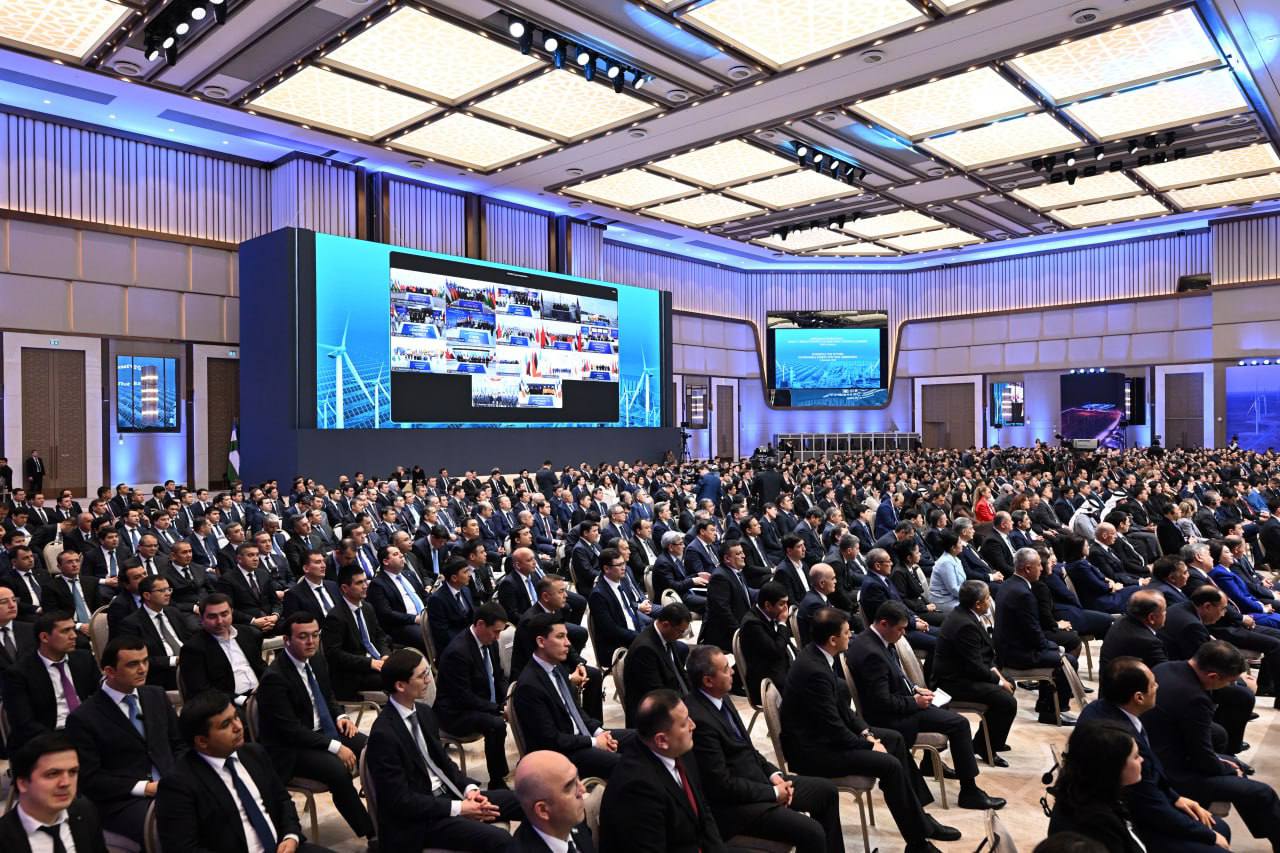
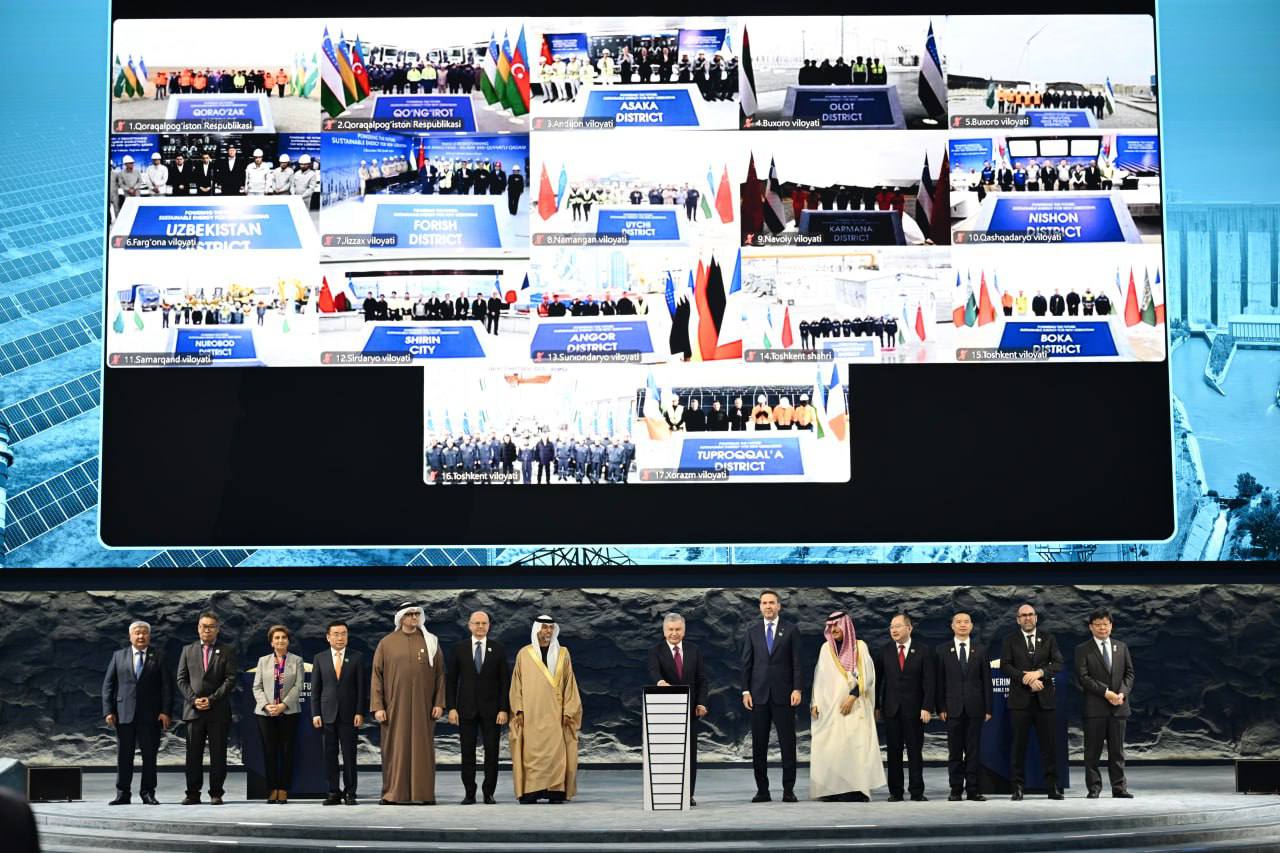
On December 5, the President of the Republic of Uzbekistan Shavkat Mirziyoyev, took part in a solemn event marking the launch and start of construction of new energy capacities and infrastructure facilities.
The event was attended by Minister of Energy and Infrastructure of the United Arab Emirates Suhail Al Mazrouei, Minister of Energy and Natural Resources of the Republic of Türkiye Alparslan Bayraktar, Minister of Energy of the Republic of Azerbaijan Parviz Shahbazov, Minister of Energy of the Kyrgyz Republic Taalaybek Ibraev, as well as representatives of the World Bank, the European Bank for Reconstruction and Development, the Asian Development Bank, the Asian Infrastructure Investment Bank, the Islamic Development Bank, and leading companies including ACWA Power (Saudi Arabia), Aksa Enerji, Cengiz Enerji (Türkiye), Masdar (UAE), China Energy, Datang, Sinoma, Poly (China), EDF, Voltalia, TotalEnergies (France), Siemens Energy (Germany), and Nebras Power (Qatar).
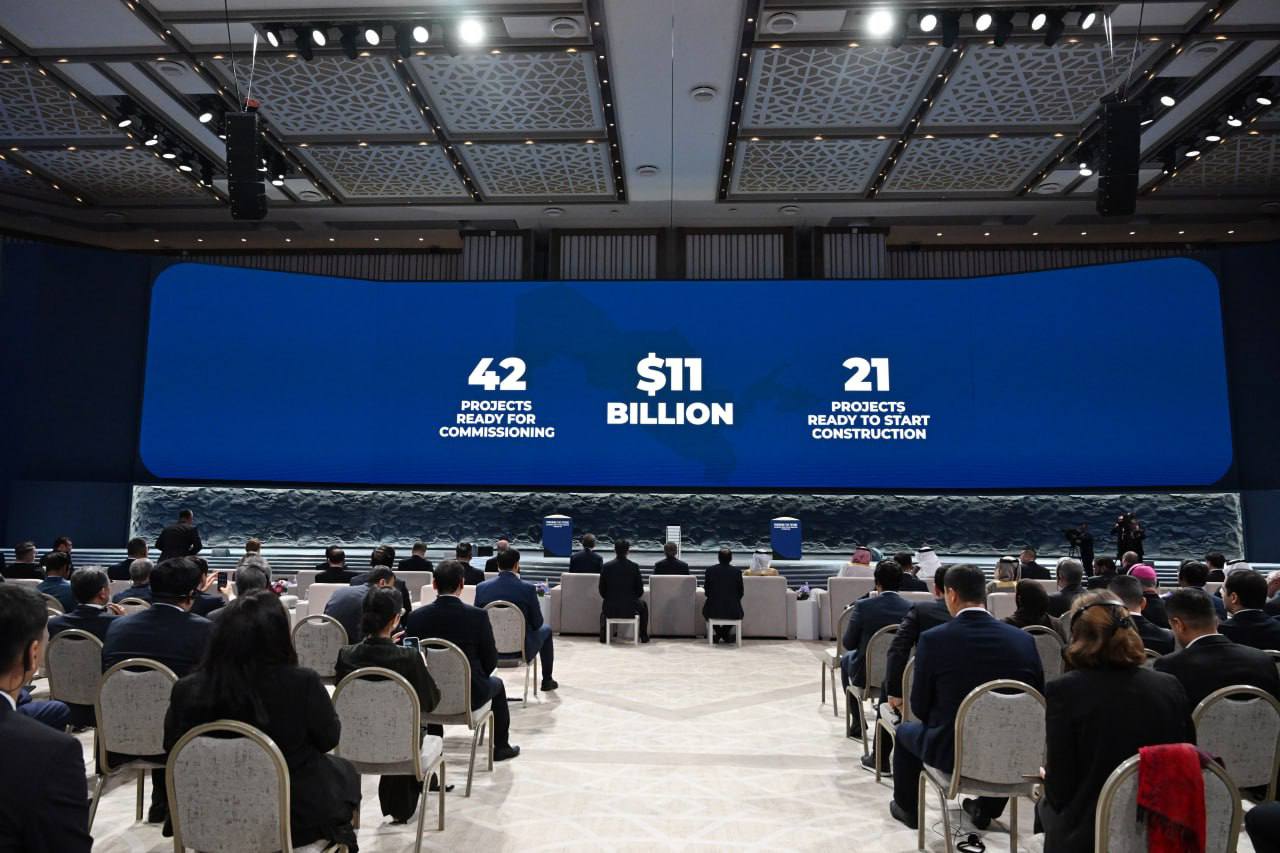
New facilities – 42 new generation, storage and production capacities and other energy infrastructure worth $11 billion, are a part of the major strategy being implemented in our country, aimed at strengthening the potential of national energy.
They include 16 solar, wind, thermal and hydro power plans worth $3,3 billion with the capacity of 3,5 thousand megawatts in Karakalpakstan, and Bukhara, Kashkadarya and Tashkent regions.
Once they reach full capacity, these facilities will generate 15 billion kilowatt-hours of electricity per year.
As a result, next year the volume of “green” energy produced in the country will reach 23 billion kilowatt-hours, which will fully meet Uzbekistan’s annual electricity needs.
Most importantly, clean energy will help reduce natural gas consumption by almost 7 billion cubic meters and prevent 11 million tons of harmful emissions from being released into the atmosphere.
Among the projects being launched are 10 energy storage systems with a total capacity of 1,245 megawatts. This will allow to supply an additional 1,5 billion kilowatt-hours of electricity to the grid during peak loads.
megawatts of renewable energy capacity will be commissioned by 2030. As a result, the share of “green” energy in total generation will reach 54 percent.
To integrate the new capacities into a unified energy system, 6 thousand kilometers of high-voltage power lines will be constructed. Next year alone, 1 thousand kilometers of such lines are scheduled to be laid, along with substations with a total capacity of 6 thousand megawatts.
Second, the expansion of foreign investment through public-private partnerships. Starting this year, the principles of private partnership are applied not only in electricity generation but also in its distribution.
In particular, an agreement has been reached with the Turkish company Aksa Elektrik to transfer the regional power grids of Samarkand to private management.
The company will take operational control of the network, invest in modernization, and reduce losses by half, which will save an average of $20 million annually.
Similarly, next year investors will be offered management of the electricity networks in Jizzakh and Syrdarya regions, and in 2027 – in Namangan and Tashkent.
Third, there will be active support for the transition to alternative energy sources.
In the new year, solar stations with a total capacity of 107 megawatts will be installed in 300 mahallas based on cooperative initiatives. This social initiative will provide “green” energy to 30 thousand low-income families, who will be able to feed surplus electricity into the grid and earn additional income.
This year, entrepreneurs built 40 megawatts of small and micro hydropower plants. As a result120 million kilowatt-hours of electricity was produced, providing the entrepreneurs with a new source of income.
Next year, an additional 65 megawatts of small and micro hydropower plants will be developed, significantly improving electricity supply for 80 thousand households.
Fourth, at the recent COP-30 climate conference in Brazil, Uzbekistan made an important commitment under the Paris Agreement – to reduce greenhouse gas emissions by 50 percent by 2035.
Together with the World Bank, Uzbekistan has begun implementing the innovative iCRAFT project for the first time, which accounts for 23 million tons of greenhouse gas reductions achieved by the country. A system for selling carbon units on the international market has also been launched.
It is important to note that this year only, 17 large industrial enterprises have transitioned to the international certification system for “green” energy. Within the next two years, the number of such enterprises is expected to reach 100.
Fifth, the development of partnerships with neighboring countries in creating a unified energy market.
Next year, funding will begin for the Kambarata-1 hydropower plant project in cooperation with Kyrgyzstan and Kazakhstan, aimed at the efficient and joint use of the region’s hydroelectric potential.
The Head of State also highlighted the decisive efforts of the leadership of Azerbaijan and Kazakhstan in the framework of the project to create a “green” corridor for electricity exports to Europe.
- All the projects we are launching today will become a source of sustainable economic growth and open new opportunities for future generations. Thanks to such purposeful steps, we will undoubtedly build a modern energy system of a new type,- stated the Leader of our country.
In conclusion, by pressing a symbolic switch, the President of Uzbekistan launched the operation of 42 energy facilities and the construction of 21 new projects.